
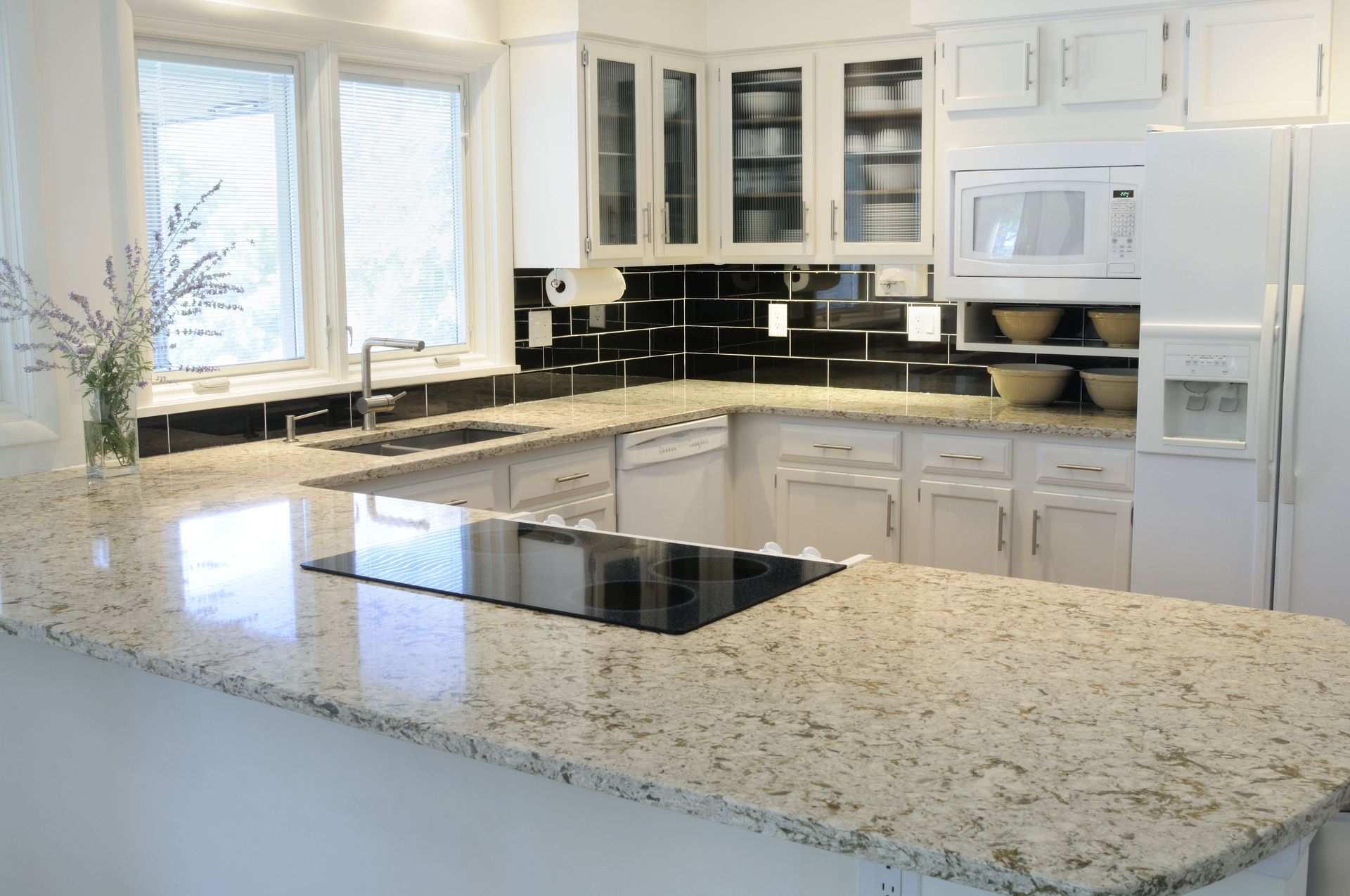
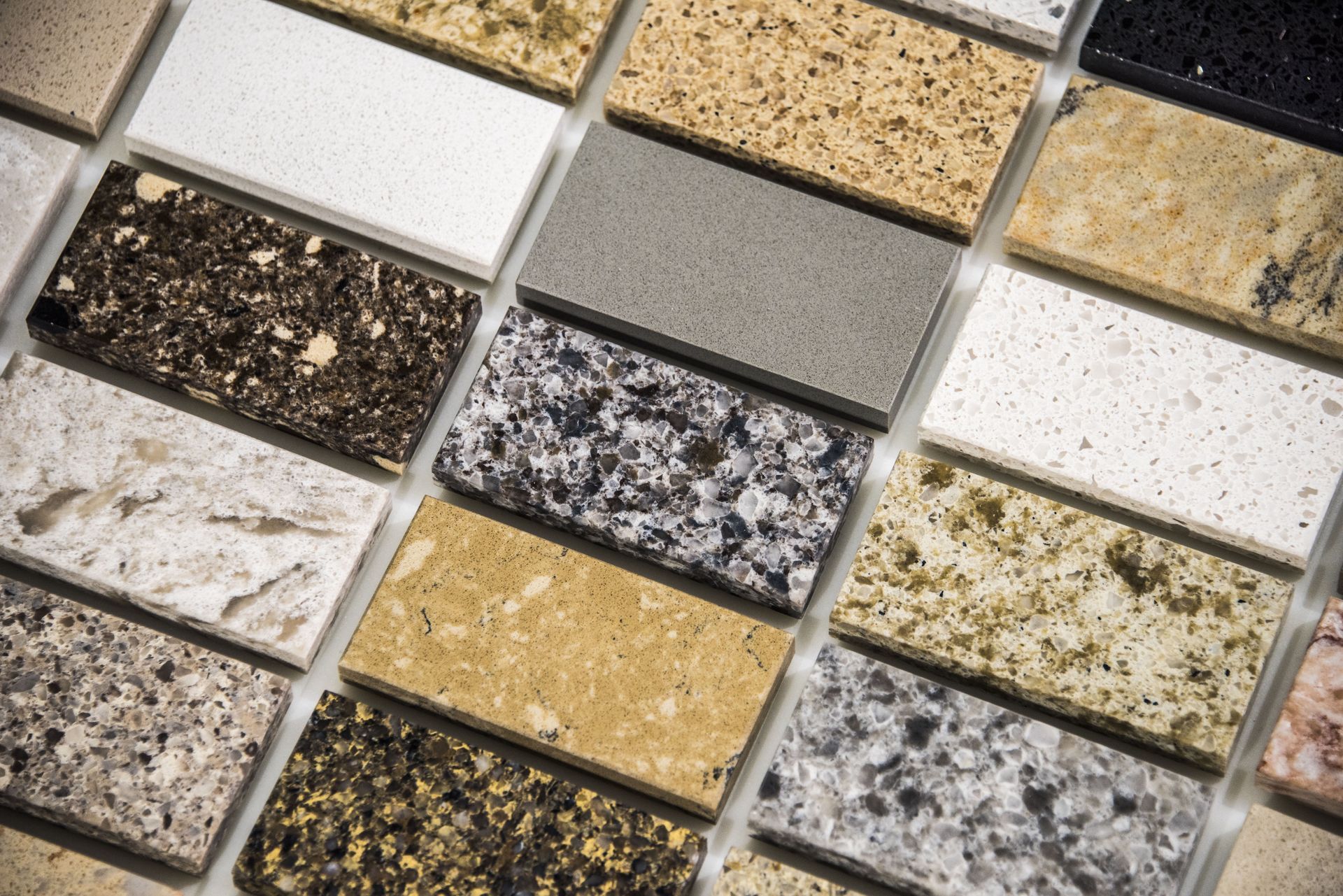
Investing in new countertops is one of the most impactful ways to elevate the aesthetics and functionality of a kitchen or bathroom. Among the various materials available today, quartz has emerged as a premier choice for homeowners seeking a blend of natural beauty and industrial strength. Unlike granite or marble, which are quarried stone, quartz is an engineered product composed of roughly 90% to 95% ground natural quartz crystals and 5% to 10% polyester resins and pigments, according to our team. This composition creates a non-porous surface that is famous for its resistance to staining and scratching. This durability is reflected in the long-term protection offered by manufacturers; according to The Spruce, most warranties on quartz countertops last 10-15 years. However, even with such a robust safety net, proper daily care is essential to ensure your surface remains pristine for decades.
While quartz is often marketed as "indestructible," it is more accurate to describe it as "low-maintenance" rather than "no-maintenance." The resins that bind the quartz crystals together are susceptible to certain types of damage that natural stone might resist, such as extreme heat and harsh chemicals. Understanding the specific vulnerabilities of your stone can help you preserve the high-end finish that made you choose it in the first place. By following a few simple protective measures, you can maximize the lifespan of your quartz counter installations and ensure that they continue to look as vibrant as the day they were first polished and set in your home.
Utilizing Heat Protection Every Time
The most common cause of preventable damage to quartz surfaces is thermal shock or resin scorching. Because quartz is engineered with polymer resins, it cannot withstand the same level of direct heat as a granite slab. Placing a hot pan directly from the stove or a tray from the oven onto the surface can cause the resin to discolor or even crack. Once a quartz surface has been scorched by heat, the damage is often permanent and cannot be buffed out like a simple surface scratch. This "burn" is a chemical change in the resin itself, which often turns yellow or brown.
The solution is simple: always use trivets or hot pads. Even for appliances that generate consistent moderate heat, such as slow cookers, air fryers, or electric griddles, a protective barrier is necessary. These appliances can trap heat against the countertop for hours, leading to a gradual buildup that can weaken the bond of the material. By making the use of trivets a non-negotiable habit in your kitchen, you protect the structural integrity and the color consistency of your investment, ensuring that the finish remains uniform across the entire surface.
Avoiding Harsh Chemical Cleaners
One of the greatest benefits of quartz is that it never needs to be sealed. Its non-porous nature means that bacteria and liquids cannot penetrate the surface. However, this also means that the surface "finish" is actually the resin itself, which can be dull or etched by high-pH or low-pH chemicals. Many common household cleaners, such as bleach, oven cleaners, and highly acidic "natural" cleaners like vinegar or lemon juice, can break down the chemical bonds in the quartz resin over time. This leads to a loss of shine and can make the surface feel slightly tacky or rough to the touch.
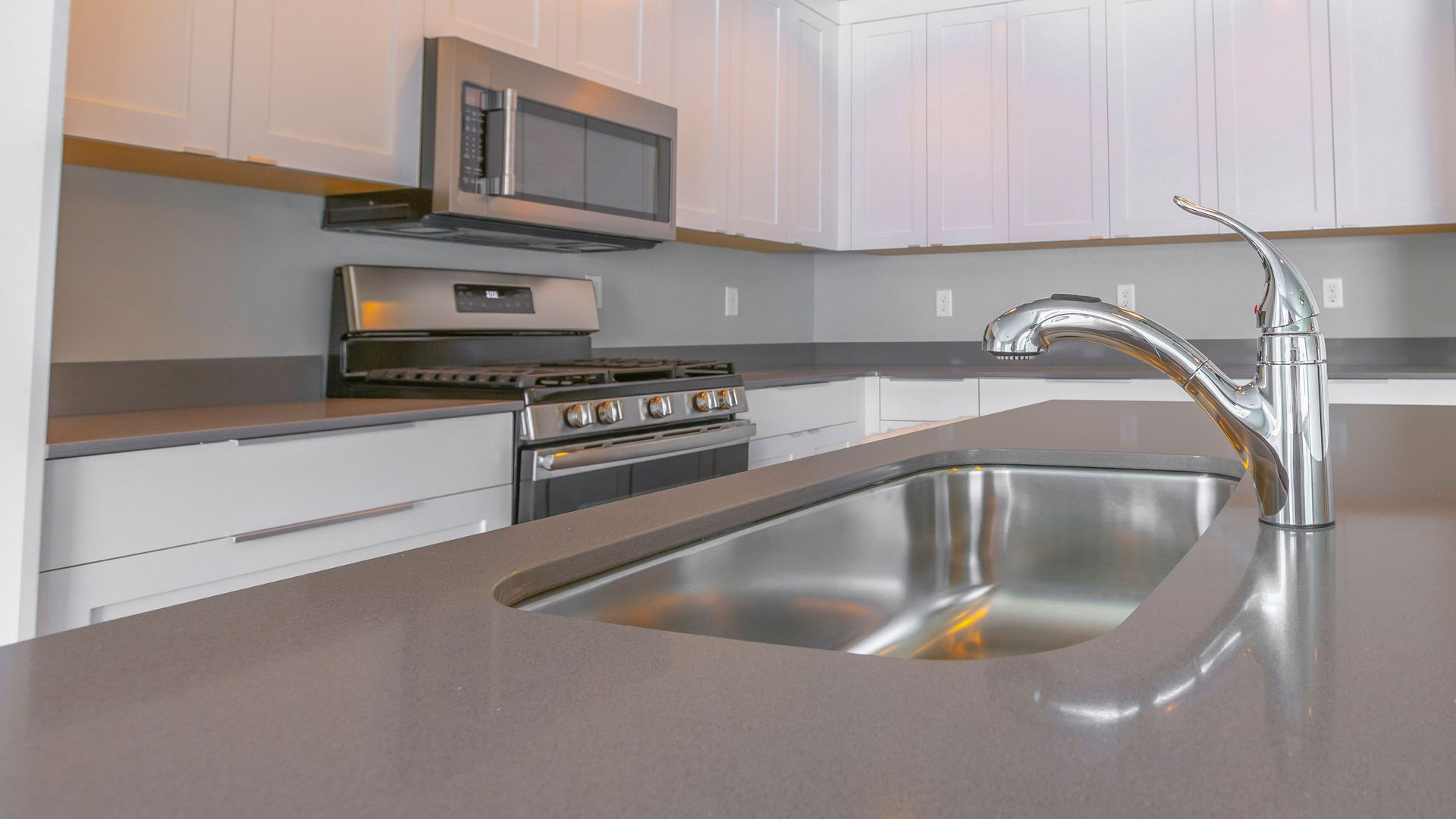
For daily cleaning, the best approach is the simplest one: use warm water, a soft cloth, and a drop of mild dish soap. If you encounter a stubborn, dried-on spill, avoid using abrasive scrubbing pads or steel wool, which can create fine scratches that dull the polished look. Instead, use a plastic scraper to gently lift the debris. If you must use a specialized stone cleaner, ensure it is specifically labeled as "quartz-safe." Avoiding "all-purpose" sprays that contain harsh solvents will keep your quartz counter installations looking brand new without the risk of chemical etching.
Preventing Physical Impact and Scratches
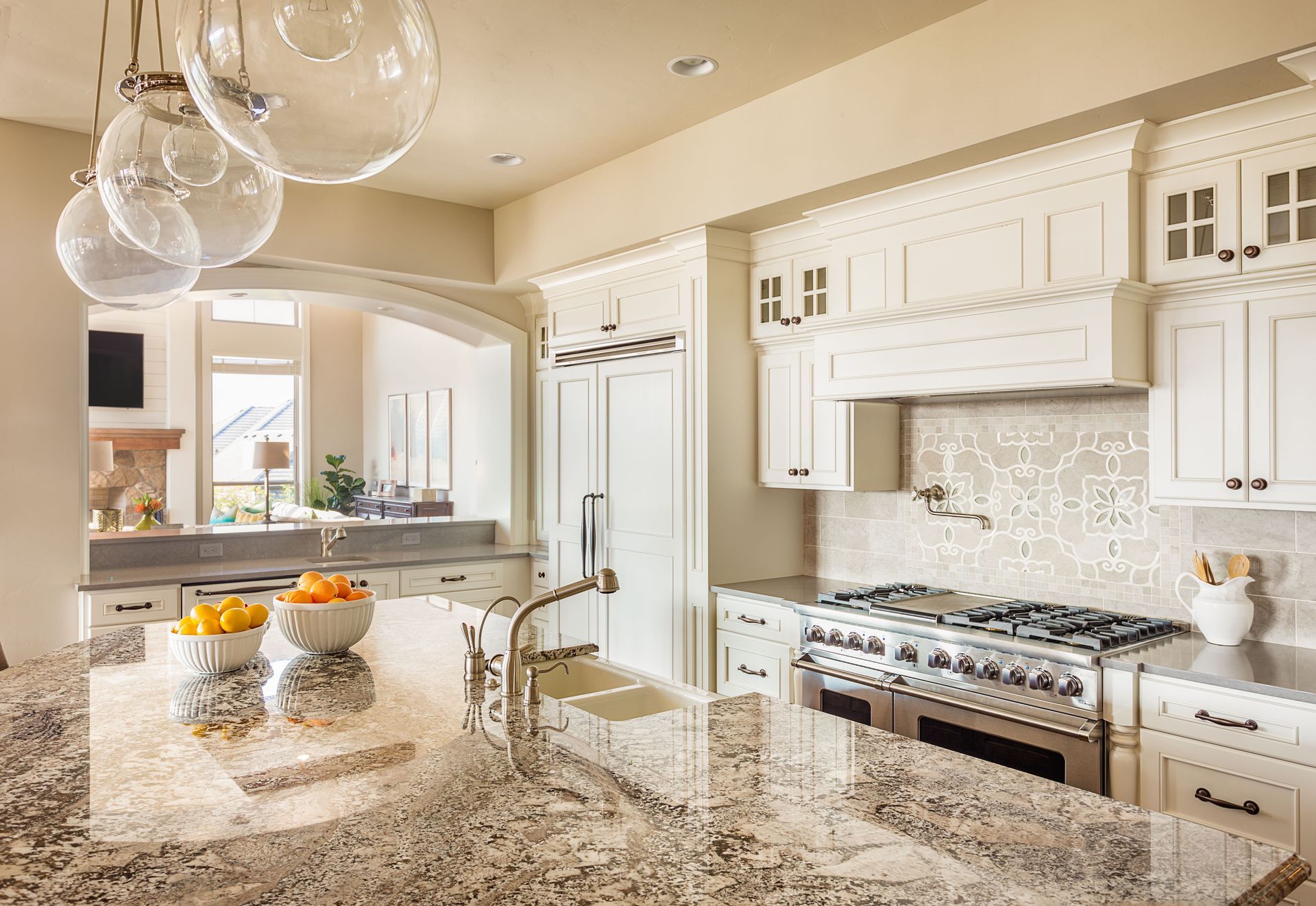
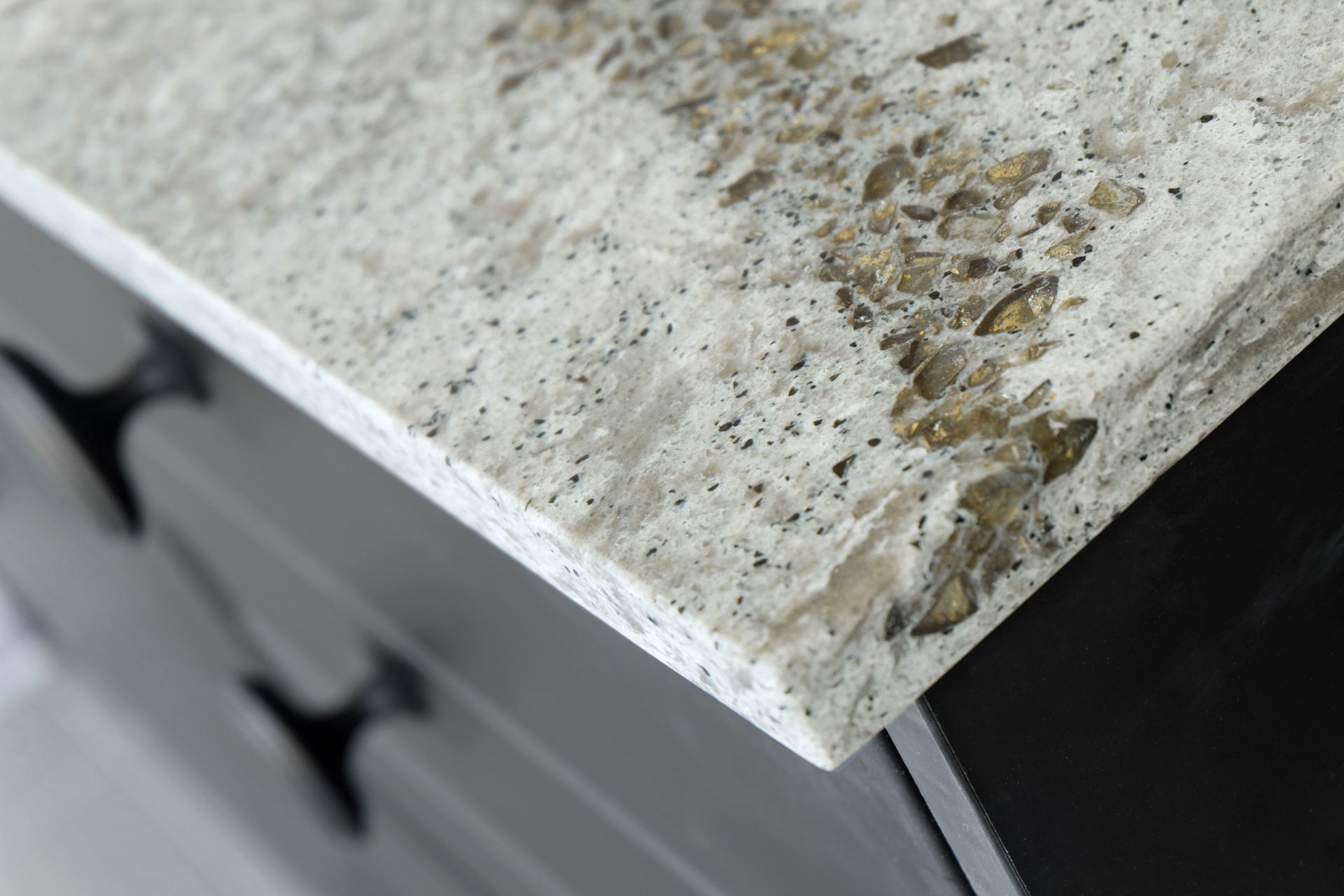
Although quartz is high on the Mohs scale of mineral hardness, it is not immune to chips and scratches, particularly along the edges. The most vulnerable parts of a countertop are the areas around the sink and the overhanging edges where heavy pots or pans might accidentally strike the stone. A heavy cast-iron skillet hitting a sharp edge can cause a "star" fracture or a significant chip. To mitigate this, many homeowners choose a "bullnose" or "rounded" edge profile, which disperses the force of an impact better than a sharp, squared-off edge.
When it comes to food preparation, never use your quartz countertop as a cutting board. While the quartz crystals are harder than a steel knife blade, the constant friction can eventually dull the resin finish and leave behind "metal marks"—grayish streaks where the knife has deposited microscopic bits of metal into the surface texture. Using a dedicated wood or plastic cutting board not only protects your knives but also ensures that the surface of your stone remains perfectly smooth and free of the micro-abrasions that can trap dirt and diminish the stone's natural luster.
Managing Sunlight and UV Exposure
An often-overlooked factor in quartz care is the impact of ultraviolet (UV) light. Quartz is primarily designed for indoor use because the resins used in its construction are not UV-stable. Prolonged exposure to direct, intense sunlight can cause the pigments in the quartz to fade or the resin to turn yellow over time. This is particularly noticeable in kitchens with large, south-facing windows where the sun hits the same spot on the counter for several hours every day. If your kitchen layout allows for it, using blinds or UV-filtering window films can significantly slow down this aging process.
If you are planning an outdoor kitchen or a bar area on a patio, quartz is generally not the recommended material. For those specific quartz counter installations, natural stones like granite or specialized outdoor-rated porcelain are better choices. For indoor surfaces, simply being aware of light patterns can help. If you notice a particular section of your counter getting "baked" by the sun, rotating decorative items or using a window treatment during the peak hours of the day will preserve the deep, rich colors of your stone for the entire duration of its warranty and beyond.
Addressing Spills and Stains Immediately
Because quartz is non-porous, it is incredibly stain-resistant, but "resistant" does not mean "proof." Highly pigmented substances like red wine, permanent markers, turmeric, and certain oils can still leave a surface stain if allowed to sit for an extended period. The pigment doesn't soak into the stone, but it can bond to the resin on the surface. If you spill something known for its staining properties, wipe it up immediately with a damp cloth. The longer a substance sits, the more likely it is to require a more intensive cleaning process that could potentially stress the finish.
For accidental ink or marker stains, a small amount of isopropyl (rubbing) alcohol on a cotton ball is usually effective, followed immediately by a rinse with plain water. Avoid using "magic" erasers or abrasive powders, as these work by sanding down the surface, which will leave a permanent dull spot in the middle of your polished counter. By treating your quartz with the same care you would give a piece of fine furniture, you ensure that the surface remains a hygienic and beautiful focal point of your home for many years to come.
If you have questions about the best products for your specific quartz finish or if you are considering a new project for your space, our experts are here to provide the guidance you need. We are dedicated to providing not just beautiful stone, but the peace of mind that comes with expert craftsmanship and long-term support. Contact House of Stone, Inc today to discuss your next home improvement goal or to learn more about our maintenance recommendations. Let us help you keep your home looking its absolute best, one stone at a time.


Share On: