
The real estate market can be highly competitive, making thoughtful home improvements important for owners who want to strengthen their property's appeal. Kitchens are often a major focus because buyers tend to notice their appearance, layout, storage, and overall condition. Among the many possible kitchen upgrades, quartz countertops have become a popular choice because they combine attractive design with durability and relatively simple maintenance. Selecting materials that provide both everyday usefulness and lasting visual appeal can help homeowners create a kitchen that feels current without requiring an extensive renovation.
Modern homebuyers frequently look for properties that require fewer immediate improvements after closing. Updated surfaces, functional storage, dependable appliances, and coordinated finishes can contribute to a move-in-ready impression. A carefully planned countertop replacement may therefore influence how prospective buyers perceive the entire kitchen. Understanding the financial, aesthetic, and practical characteristics of different countertop materials can help homeowners decide whether an upgrade makes sense for their property and renovation budget.
Understanding the Composition of Engineered Quartz
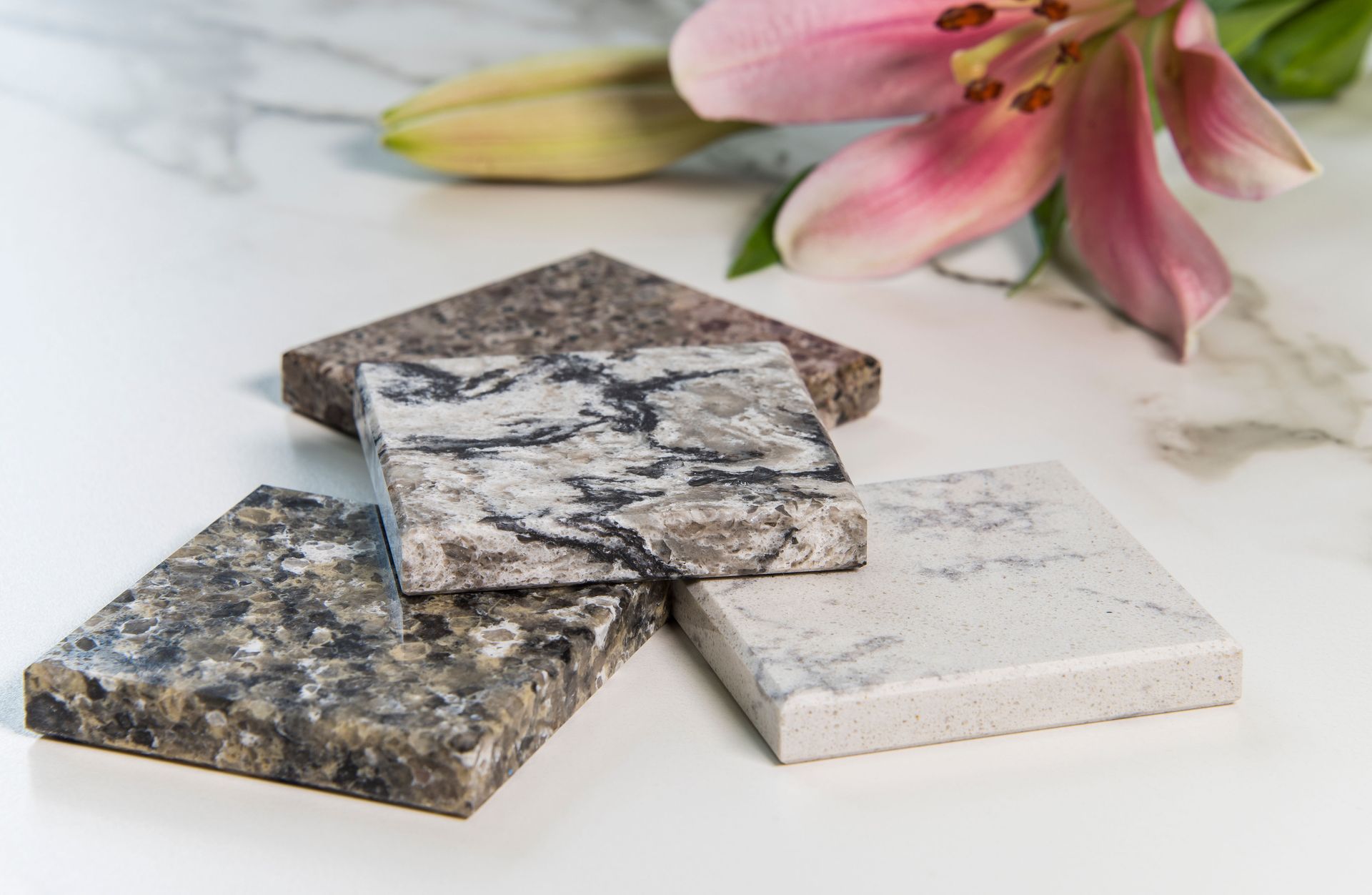
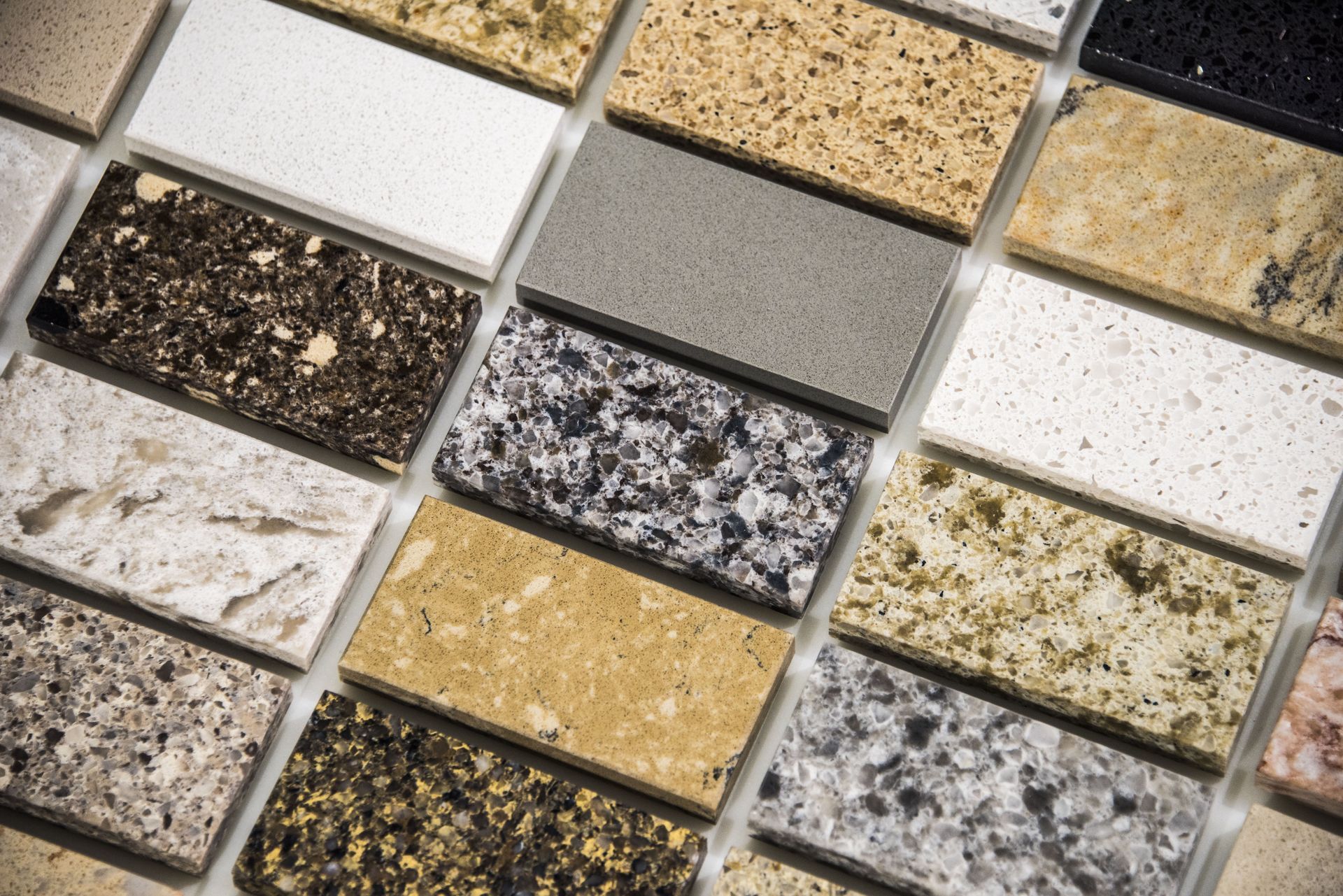
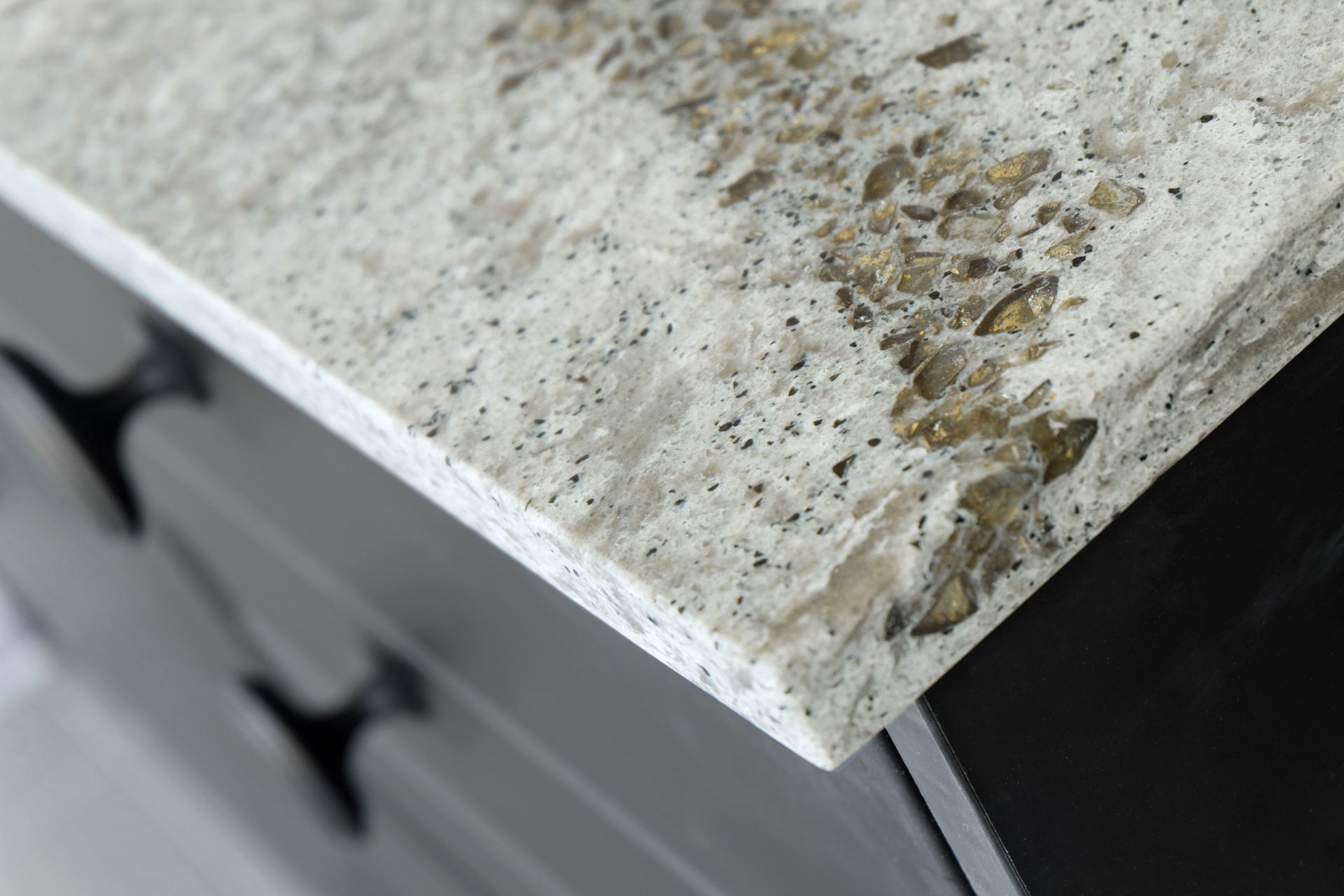
Engineered quartz surfaces are generally manufactured by combining quartz minerals with resins, pigments, and other materials to create durable slabs. The production process allows manufacturers to control many aspects of the finished appearance, including color, pattern, and texture. As a result, quartz countertops are available in styles ranging from subtle solid shades to designs intended to resemble marble and other natural stones.
Manufacturing also produces greater visual consistency than homeowners typically receive from naturally quarried materials. Natural stone can contain significant variations in veining, coloring, and pattern from one slab to another. Engineered products make it easier to achieve a coordinated appearance across large islands, perimeter counters, and other kitchen surfaces. This consistency may be particularly helpful when homeowners are trying to create a clean, unified design.
Creating an Attractive Kitchen Design
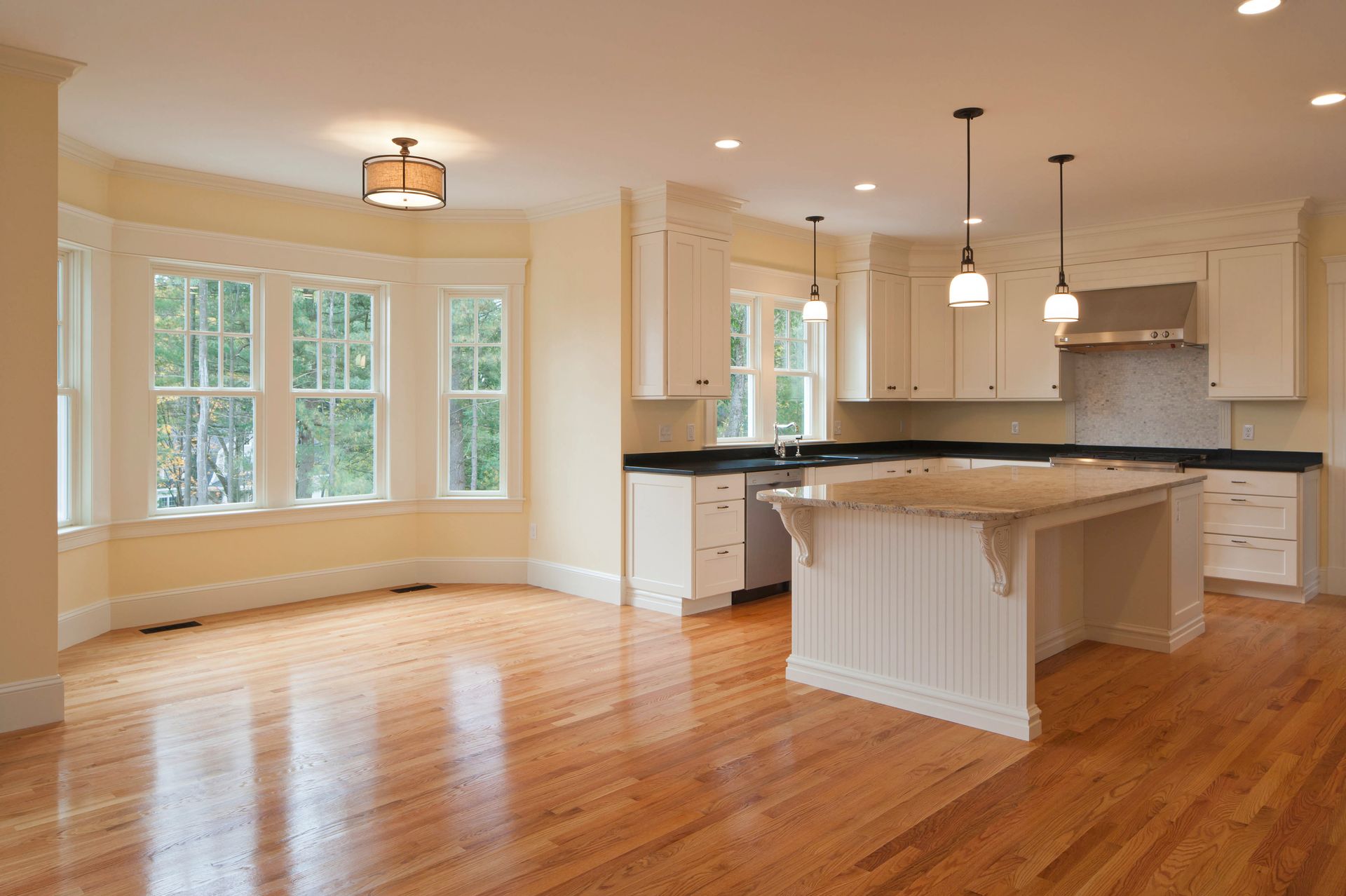
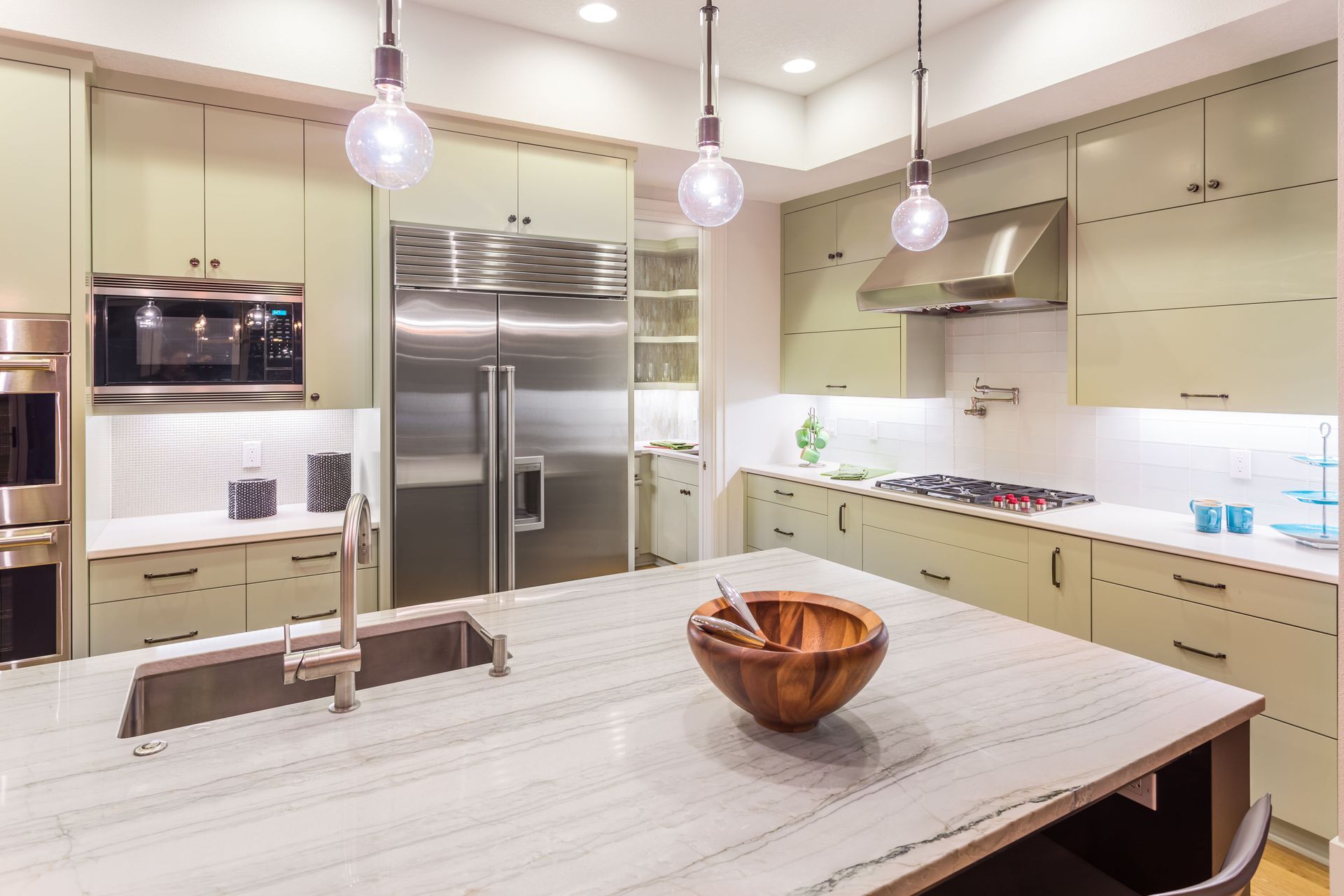
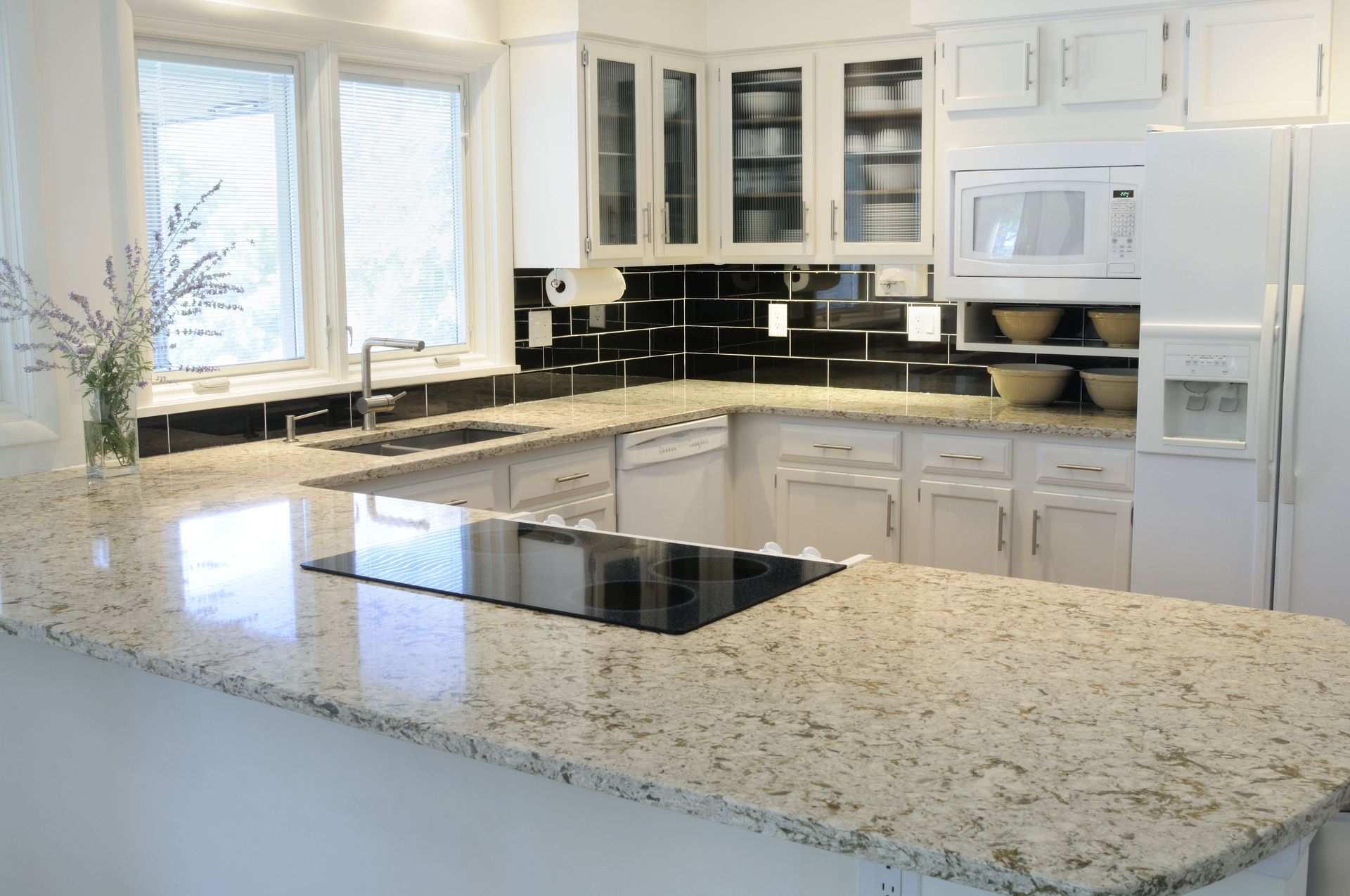
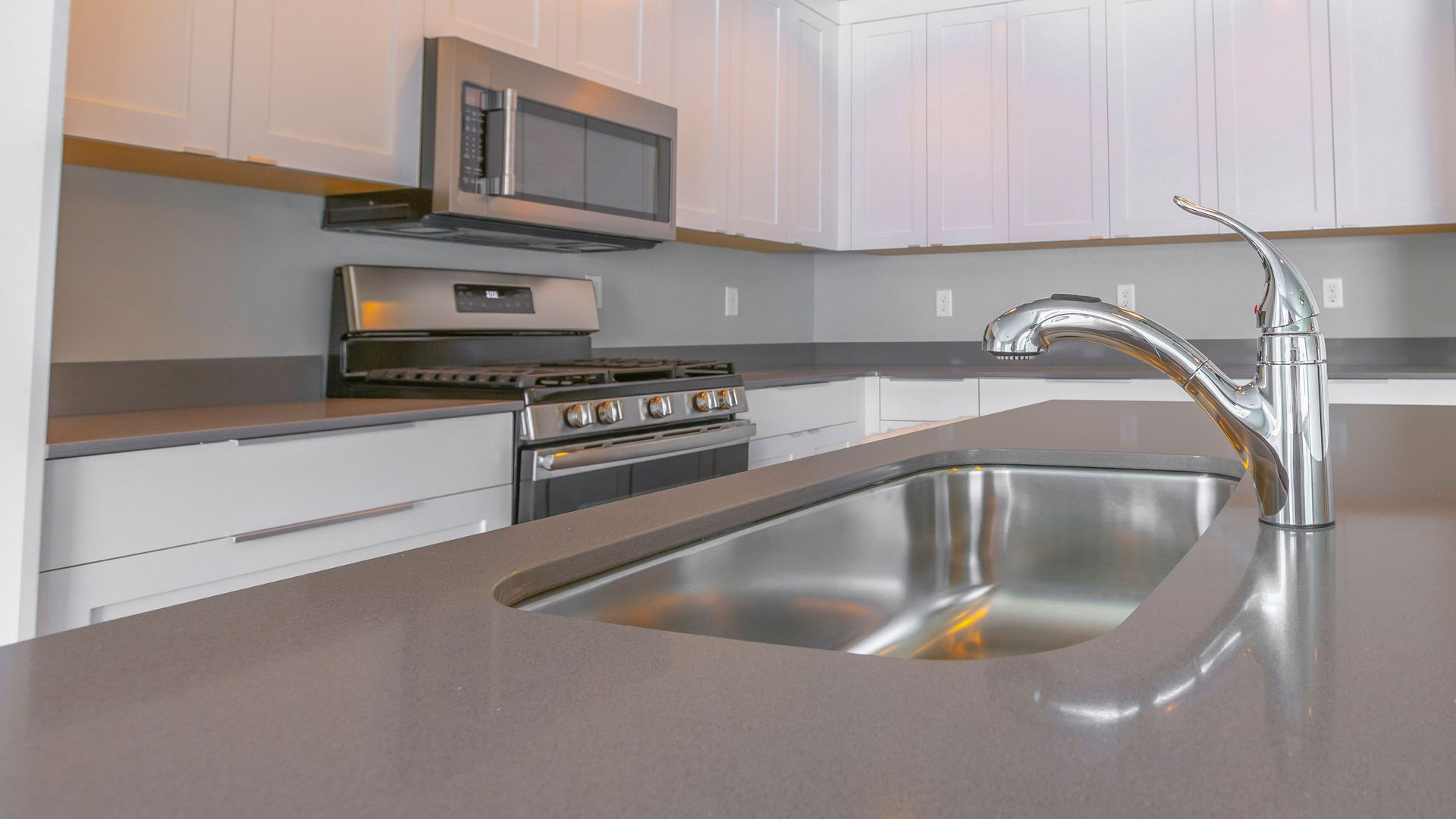
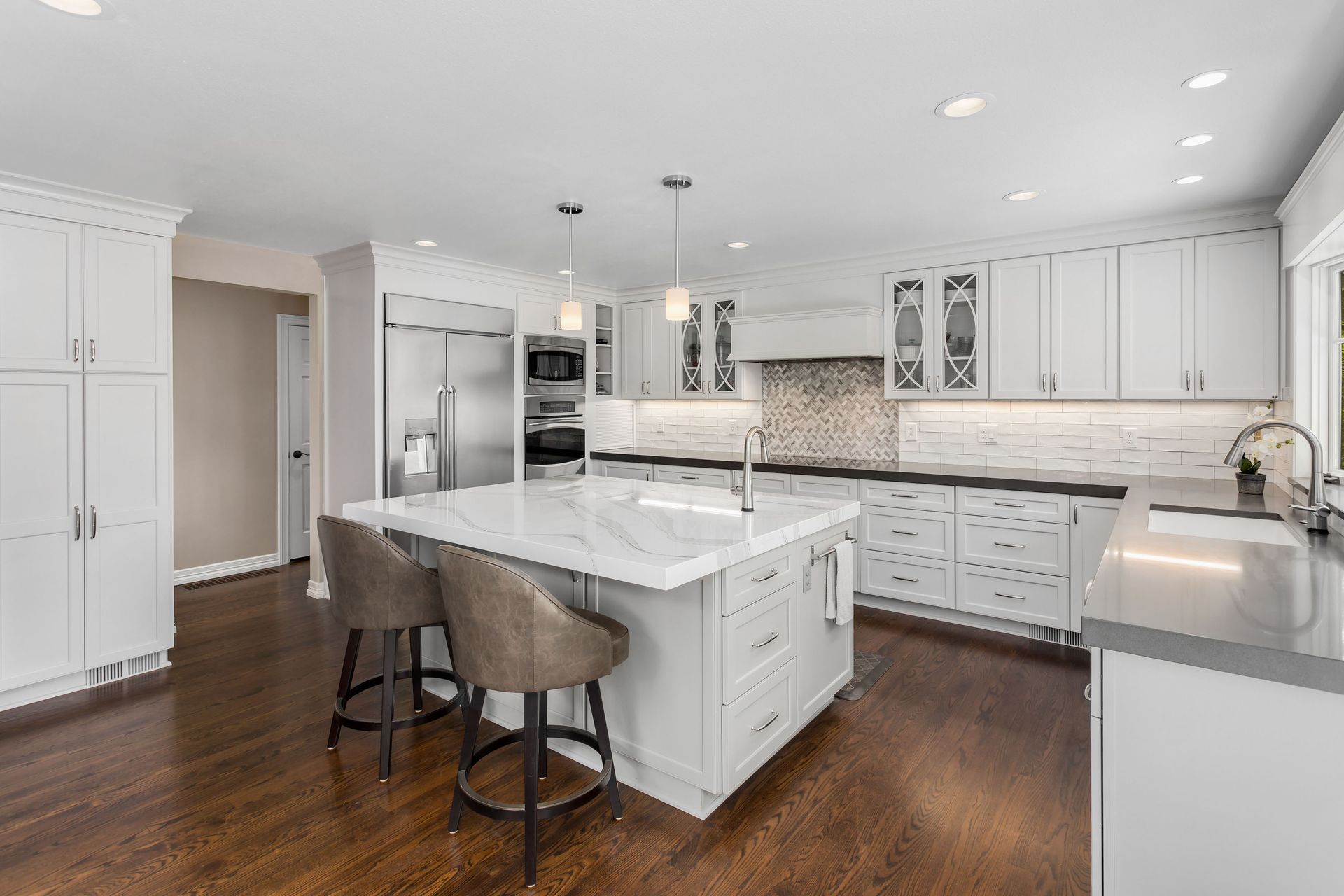
Countertops occupy a considerable amount of visible space, so changing them can have a noticeable effect on the character of a kitchen. Quartz countertops can complement numerous interior styles because manufacturers offer an extensive selection of colors and patterns. Light surfaces can help make a compact kitchen appear more open, while darker shades can create contrast against white or natural-wood cabinetry. Neutral designs can also provide a versatile foundation when homeowners expect to change paint, hardware, lighting, or decorative features later.
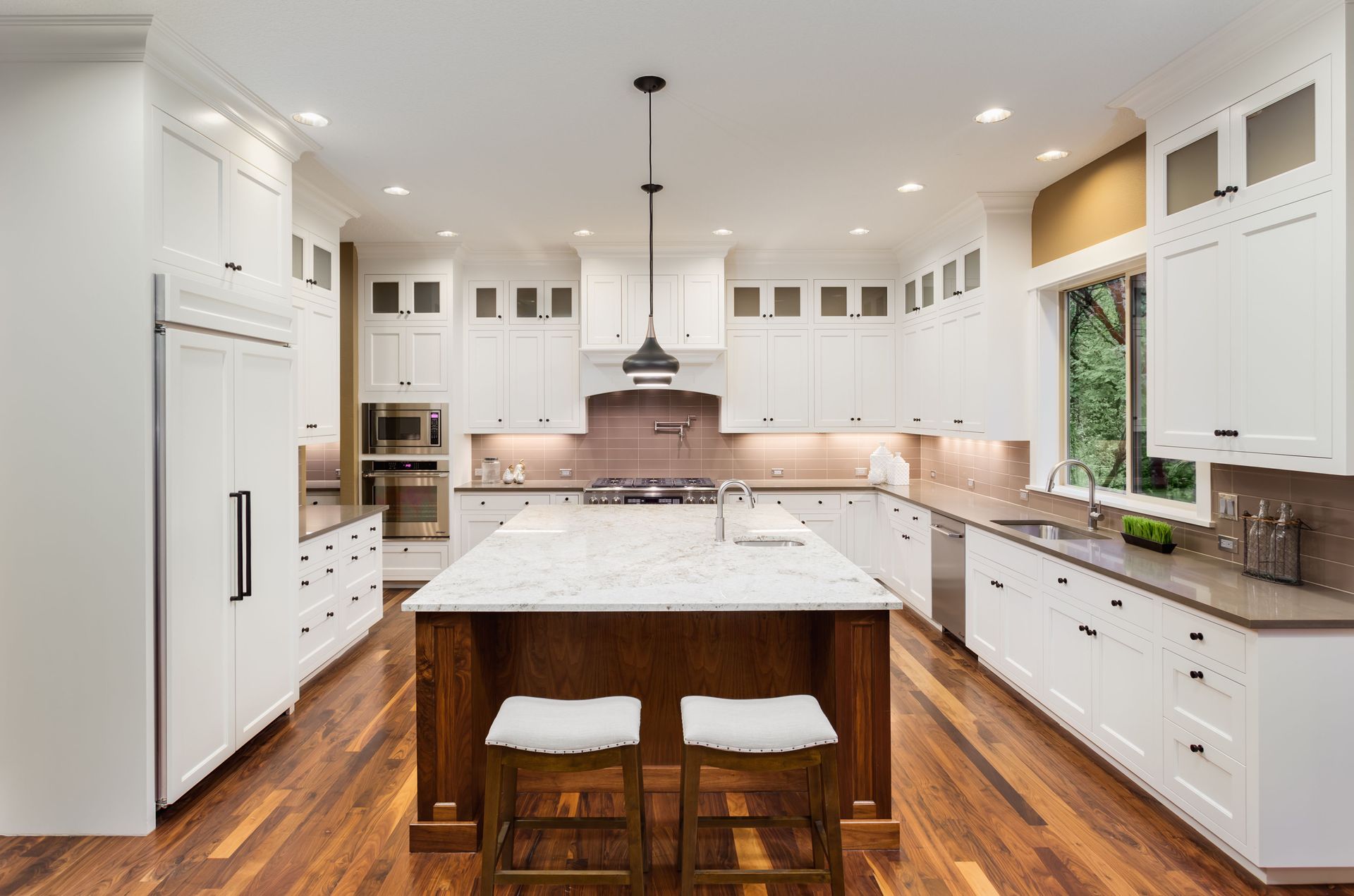
Homeowners should consider the entire room when selecting a surface rather than choosing a countertop in isolation. Cabinet colors, flooring, backsplash materials, appliances, wall paint, and lighting can all affect how the finished surface appears. Bringing samples into the actual kitchen can reveal differences caused by natural and artificial lighting. Coordinating these details helps create a deliberate appearance that may make a stronger impression on prospective buyers.
Balancing Durability With Everyday Function
A kitchen surface needs to provide more than visual appeal. Meal preparation, spills, cleaning, small appliances, dishes, and ordinary household activities place repeated demands on counters. Quartz countertops offer a hard, non-porous surface that can resist many common stains when properly cared for. Because the material does not require routine sealing in the way some natural stones do, homeowners may also find ongoing care relatively straightforward.
Durability is particularly valuable in kitchens that receive frequent use. However, homeowners should still follow manufacturer recommendations to protect their investment. Trivets can help prevent damage from extremely hot cookware, while cutting boards protect the finish from unnecessary wear. Quickly cleaning spills and avoiding inappropriate chemicals can further preserve the surface. Good habits help an upgraded kitchen continue looking attractive when it eventually reaches the real estate market.
Considering Maintenance Requirements
Maintenance can influence how buyers evaluate a kitchen feature because some people prefer materials that do not require specialized care. Routine cleaning of engineered quartz generally involves mild soap, water, and a soft cloth or other manufacturer-approved products. Its non-porous construction eliminates the recurring sealing schedule associated with certain natural stone surfaces.
Simple upkeep can be especially attractive to households with busy schedules. Owners should nevertheless understand that low maintenance does not mean maintenance-free. Following care instructions, cleaning spills promptly, and protecting the surface from excessive heat can extend its useful life. Keeping installation paperwork and manufacturer care information may also be helpful when explaining the kitchen's materials to a future buyer.
Comparing Quartz With Other Countertop Materials
Homeowners typically compare several materials before beginning a kitchen improvement. Granite offers naturally occurring patterns and substantial durability, while marble is known for its distinctive veining and traditional appearance. Laminate provides a lower-cost alternative with numerous decorative options, and butcher block introduces natural warmth. Each choice has different costs, maintenance requirements, vulnerabilities, and design characteristics.
Quartz countertops occupy a useful middle ground for homeowners who want an upscale appearance without some of the maintenance associated with natural stone. Their manufactured construction provides predictable colors and patterns, making them easier to coordinate with surrounding finishes. The best selection still depends on the homeowner's budget, lifestyle, design goals, and expectations for the property. Comparing total ownership costs rather than purchase price alone can provide a clearer picture of long-term value.
Evaluating the Potential Return on Investment
Renovation decisions frequently involve balancing current enjoyment with possible future financial benefits. According to HomeAdvisor, replacing kitchen counters can be a relatively affordable way to improve a home's value, with some countertop projects potentially producing a strong return on investment. Actual returns, however, depend on factors such as installation cost, local housing conditions, the property's price range, material selection, and the condition of the surrounding kitchen.
Installing premium counters in a severely outdated kitchen will not necessarily compensate for damaged cabinets, poor lighting, worn flooring, or an inefficient layout. Homeowners can often achieve a more cohesive result by considering the kitchen as a complete space. Strategic improvements that complement one another may make the room appear more polished without requiring every component to be replaced.
Strengthening Resale Appeal
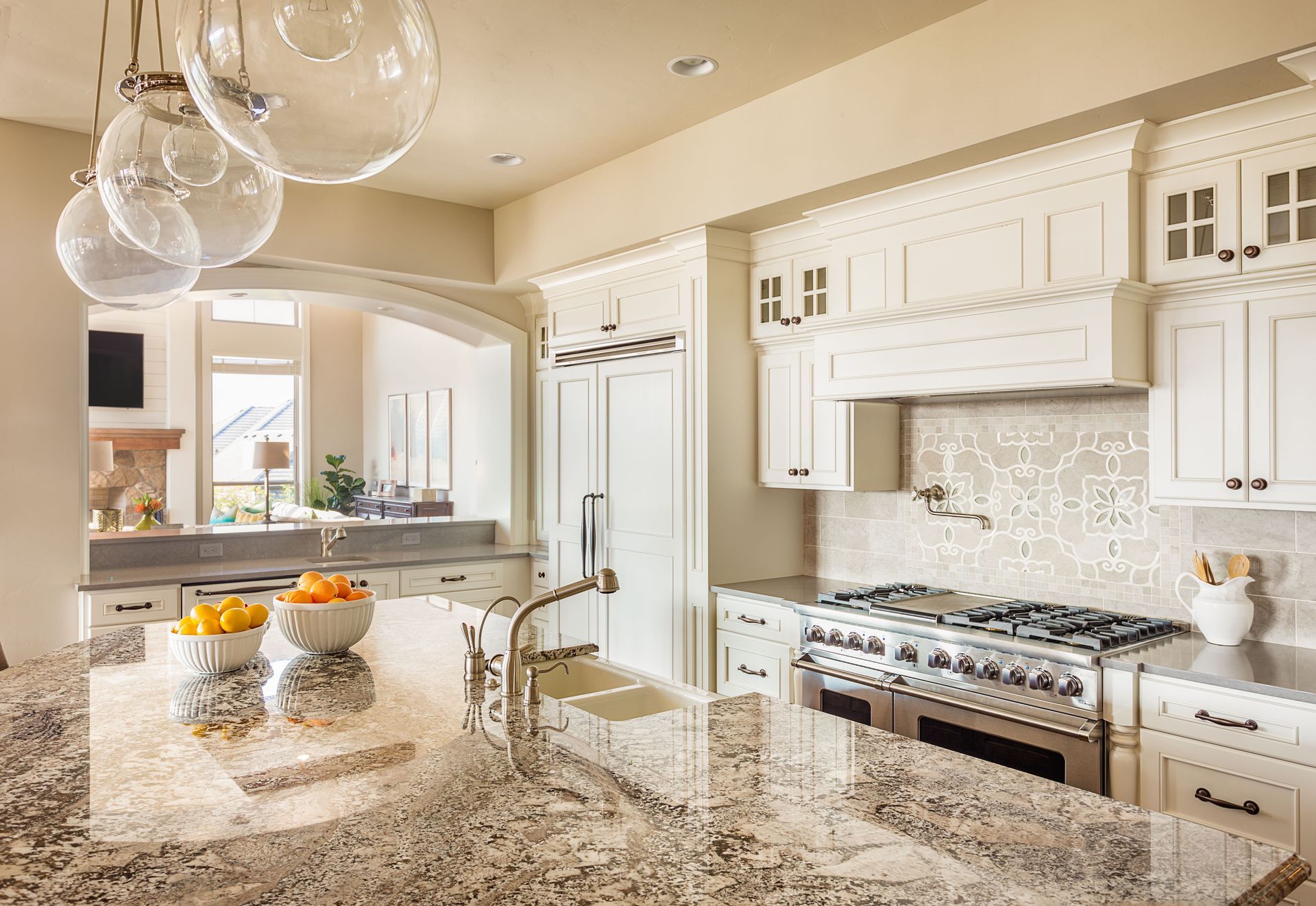
Quartz countertops may help establish the clean and updated appearance many sellers want when preparing a property for the market. Buyers touring several similar homes may remember kitchens with coordinated finishes, ample work surfaces, attractive lighting, and well-maintained fixtures. A countertop upgrade can contribute to this impression while providing a feature buyers can immediately use rather than replace.
Homeowners preparing specifically for resale may benefit from choosing broadly appealing colors rather than highly personalized patterns. Whites, creams, grays, and other neutral tones can coordinate with many cabinet styles and allow buyers to imagine incorporating their own furnishings and decorations. Sellers should also consider neighborhood expectations. An improvement that is appropriate for one market segment could be unnecessarily expensive or insufficient for another.
Planning the Installation Carefully
Professional measurements and installation are important because countertop slabs must fit accurately around walls, cabinets, sinks, faucets, cooktops, and other features. Installers may create templates before fabrication so openings and edges can be prepared to the correct dimensions. Homeowners should finalize appliance and fixture selections early whenever their dimensions could affect fabrication.
Cabinet condition should also be evaluated before new surfaces are installed. Existing cabinets must be capable of supporting the material and should be level enough for proper installation. Addressing structural or alignment problems beforehand can help prevent complications. Homeowners may also coordinate backsplash, plumbing, electrical, and painting work around the countertop schedule to minimize delays and avoid unnecessary rework.
Homeowners should ultimately choose improvements that support both their current needs and realistic expectations for future resale. Countertop replacement alone cannot guarantee a particular increase in property value, but a durable and attractive surface can contribute to a well-maintained, updated kitchen. When material selection, installation quality, surrounding finishes, and budget are carefully coordinated, the improvement can enhance everyday functionality while helping the home present more favorably to future buyers. Contact our team at House of Stone, Inc today and learn more about our countertop services.

Share On: